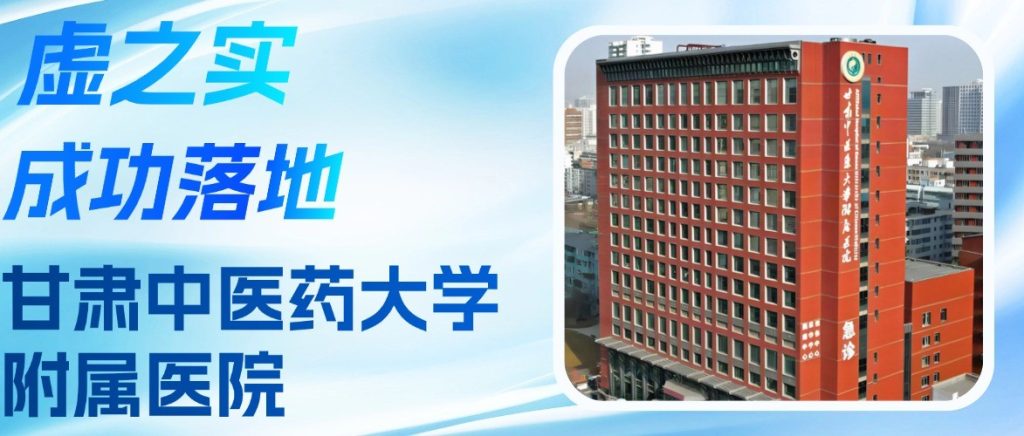
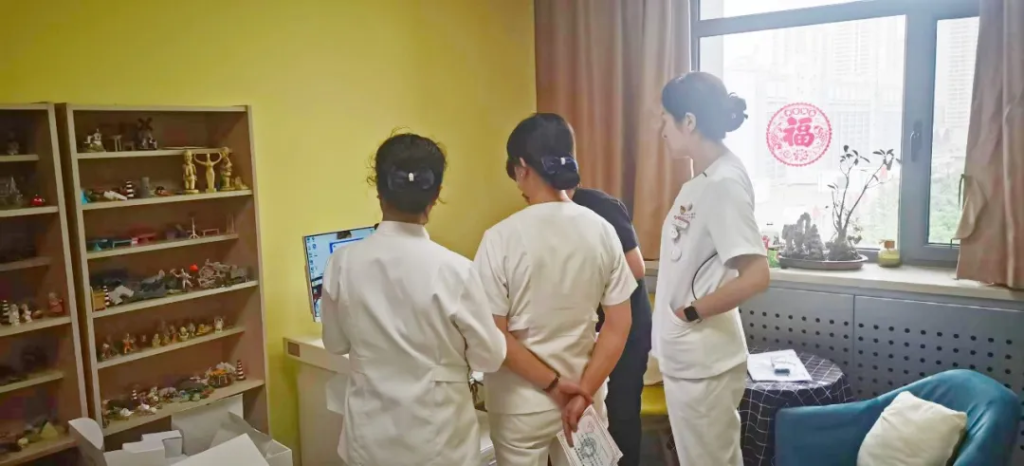
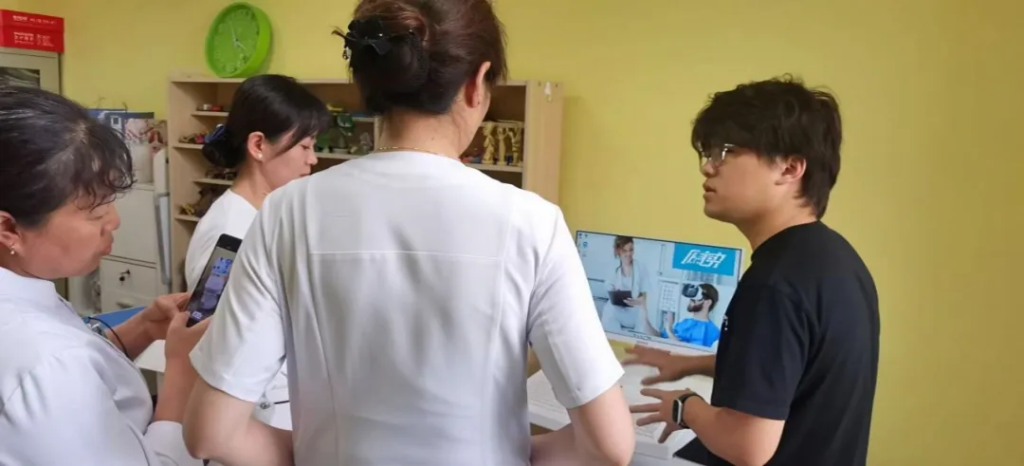
Recently, Hangzhou NEUREAL's YKVR-1 cognitive rehabilitation system was officially deployed at the Affiliated Hospital of Gansu University of Chinese Medicine. Leveraging the hospital's mature integrated traditional Chinese and Western medicine brain disease diagnosis and treatment system, it establishes a new model for digital cognitive rehabilitation, providing standardized and quantifiable rehabilitation solutions for patients with cognitive impairment in Northwest China.
Hospital Profile
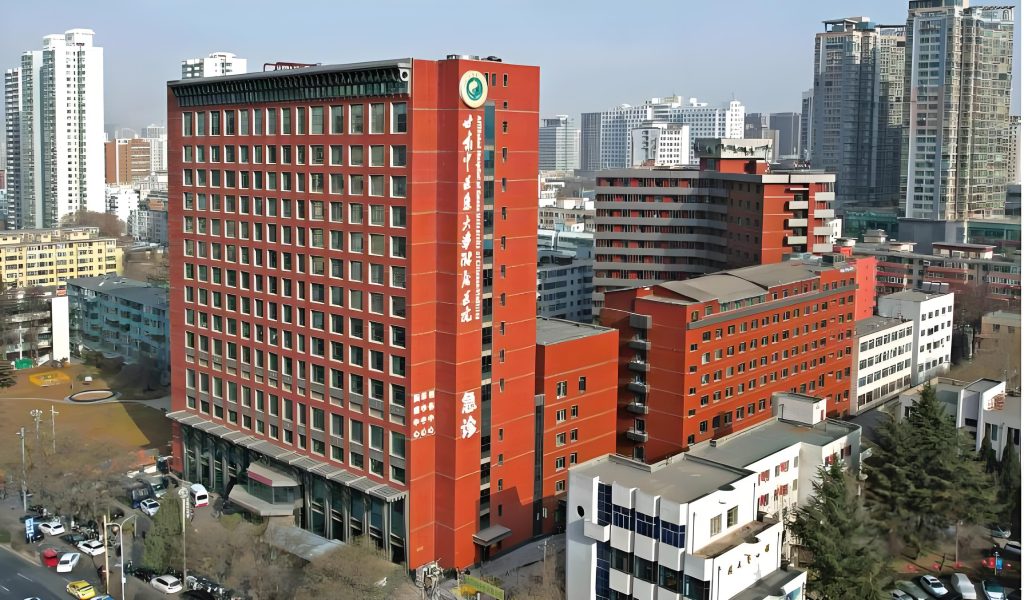
Founded in 1991, the Affiliated Hospital of Gansu University of Chinese Medicine is a Grade III Class A comprehensive TCM hospital. It also serves as the host institution for the National Regional Medical Center (Gansu Hospital of Longhua Hospital affiliated to Shanghai University of Traditional Chinese Medicine). Integrating medical care, teaching, research, rehabilitation, and health management services, it is a key institution for integrated TCM and Western medicine diagnosis and treatment of brain diseases in Northwest China.
The Department of Neurology and Department of Neurological Rehabilitation are national-level clinical key specialties and key disciplines under the National Administration of Traditional Chinese Medicine. They were among the earliest departments in Gansu Province to conduct integrated TCM and Western medicine neurological rehabilitation. With over two decades of expertise in comprehensive diagnosis and treatment of cognitive impairments caused by stroke, Parkinson's disease, Alzheimer's disease, and traumatic brain injury, their services cover all of Gansu Province and surrounding areas in Northwest China. The departments play a core role in regional emergency care for brain diseases and intervention for geriatric cognitive impairment, while serving as bases for TCM clinical teaching and standardized stroke rehabilitation training.
In long-term clinical work on cognitive impairment rehabilitation, the department identified practical issues with traditional cognitive training, such as limited scenarios, low patient compliance, and difficulty in quantitatively assessing rehabilitation outcomes. The introduction of the YKVR-1 cognitive rehabilitation system effectively addresses these shortcomings by combining distinctive TCM rehabilitation therapies with modern digital neuroscience technologies, offering a new approach to integrated TCM and Western medicine digital rehabilitation for people with cognitive impairment in Gansu and Northwest China.
Introduction to the YKVR-1 Cognitive Rehabilitation System
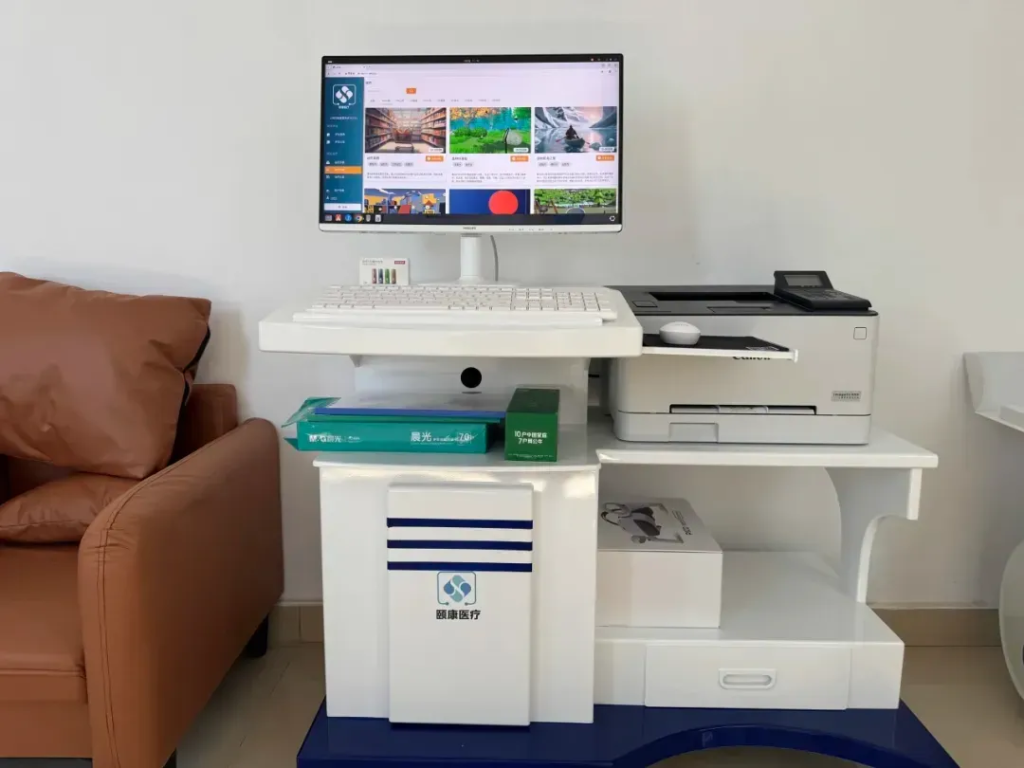
The YKVR-1 cognitive rehabilitation system, now in clinical use, is driven by "clinical needs as the core and technological innovation as the engine." It deeply integrates Virtual Reality (VR) technology, clinical neurorehabilitation intervention theories, and AI-powered data analytics to build a comprehensive cognitive rehabilitation solution covering the entire process of "assessment-training-monitoring-feedback." It specifically targets issues such as attention deficits, memory decline, and impaired executive control resulting from degenerative brain disorders (e.g., Alzheimer's disease), psychiatric conditions (e.g., depression with cognitive impairment), and brain injuries (e.g., post-stroke cognitive impairment), providing precise and personalized rehabilitation training services.
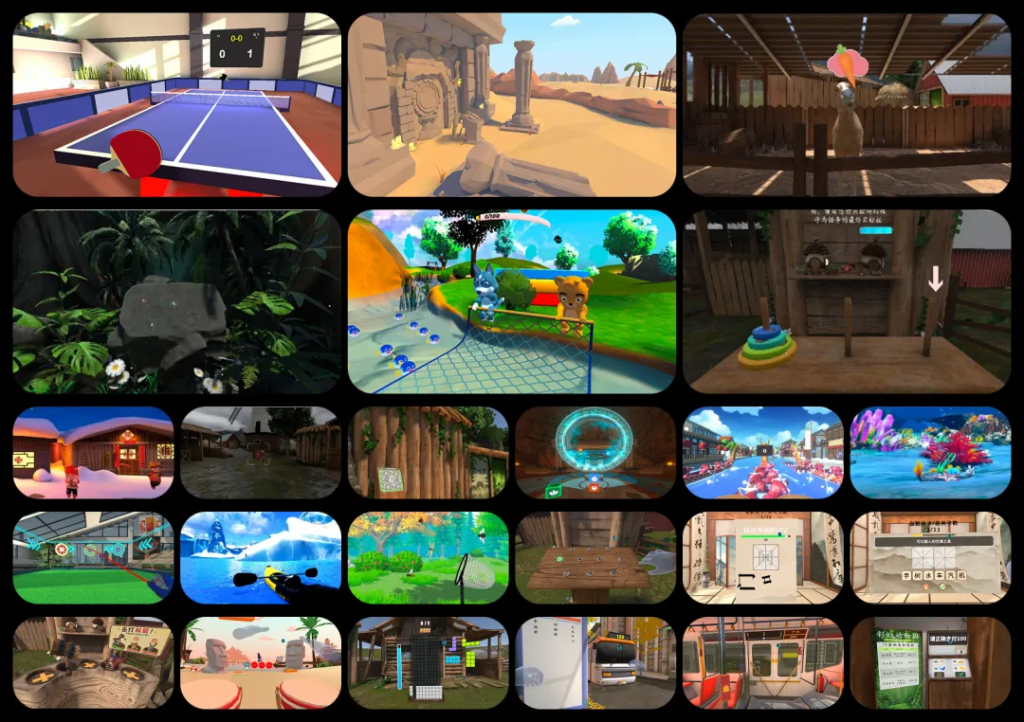
The system includes over 140 standardized rehabilitation training modules, featuring virtual interactive scenarios close to daily life, such as supermarkets and mazes, which align with patients' real-life behavioral habits. Training content is stratified into progressive levels, transitioning from basic cognitive exercises like object recognition and short-term memory to higher-order tasks such as item sorting and logical reasoning, thereby targeting improvements in various cognitive abilities.
The device automatically generates two types of professional diagnostic reports: assessment reports objectively determine the degree of cognitive impairment based on clinical standards, with the system automatically matching appropriate training plans; treatment reports intuitively display rehabilitation progress curves through visual charts, fully preserving patient clinical data to facilitate physicians in formulating personalized rehabilitation plans combined with TCM treatments.
NEUREAL
As a national-level Specialized, Refined, Distinctive, and Innovative "Little Giant" enterprise, NEUREAL focuses on chronic brain disorders and psychiatric rehabilitation. Its proprietary BCI+X precision diagnosis and treatment platform for brain disorders establishes a complete technical system of "precise neural signal induction—target localization—dynamic closed-loop intervention," breaking the limitations of traditional one-way rehabilitation output and providing precise digital-intelligent solutions for brain disorders such as stroke, cognitive impairment, ADHD, and depression/anxiety.