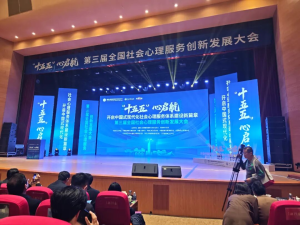
Recently, the VR cognitive rehabilitation system independently developed by Hangzhou NEUREAL Technology Co., Ltd. was put into use at the High-Tech Campus of The First Affiliated Hospital of Anhui Medical University. The introduction of this system provides digital technical support for cognitive rehabilitation services in the campus's Brain-Computer Interface (BCI) integrated ward.
Leveraging the BCI Integrated Ward to Enhance the Cognitive Rehabilitation Service System
The High-Tech Campus of The First Affiliated Hospital of Anhui Medical University is a directly affiliated branch located in Hefei. Adopting a differentiated development model of "specialized departments with comprehensive capabilities," the hospital has established five key specialty centers while ensuring general medical service capacity. It has received an A+ rating in the national performance assessment of tertiary public hospitals for six consecutive years.
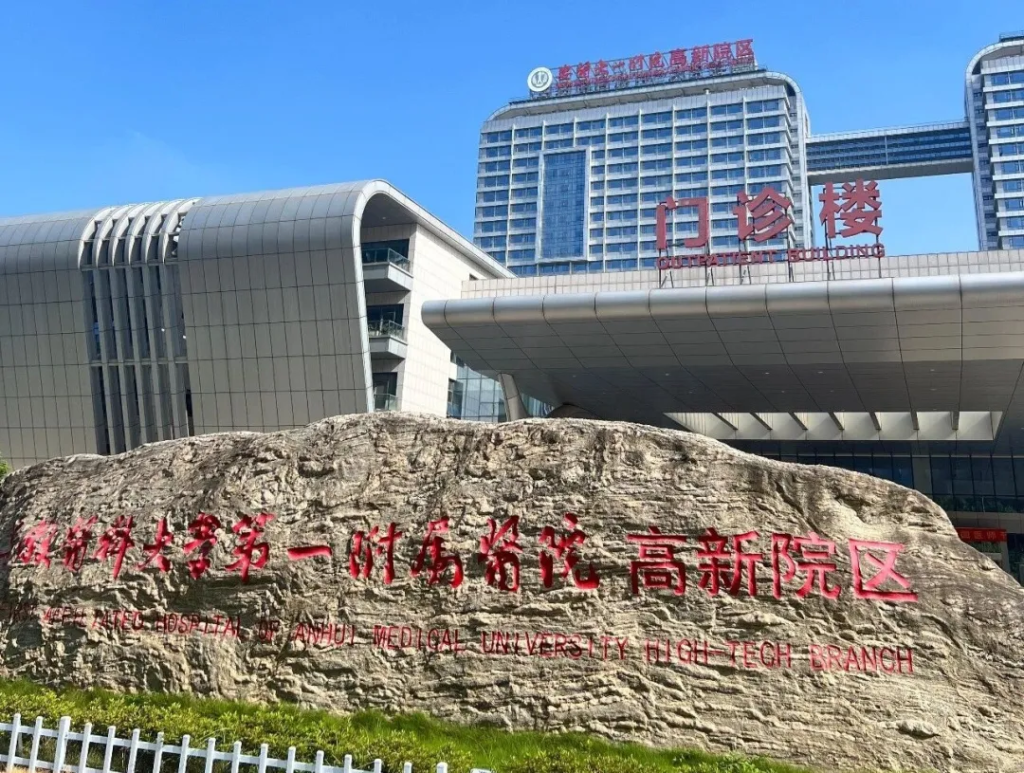
The hospital actively explores the clinical application of BCI technology. In September 2026, the BCI integrated ward at the High-Tech Campus officially opened, integrating brain function assessment, neuropsychological evaluation, non-invasive neuromodulation, implantable BCI, and functional rehabilitation into a unified process. Targeting patients with neurological disorders such as stroke, traumatic brain injury, and spinal cord injury, it implements a "Medicine + X" multidisciplinary collaborative intervention model. The deployment of the NEUREAL VR cognitive rehabilitation system further supports this integrated diagnostic and treatment framework.
Immersive VR and AI-Assisted Personalized Training
The newly deployed VR cognitive rehabilitation system integrates virtual reality interaction, clinical neurorehabilitation intervention theories, and AI data analysis capabilities. It covers stages including "assessment-training-monitoring-feedback," providing digital support for cognitive training.
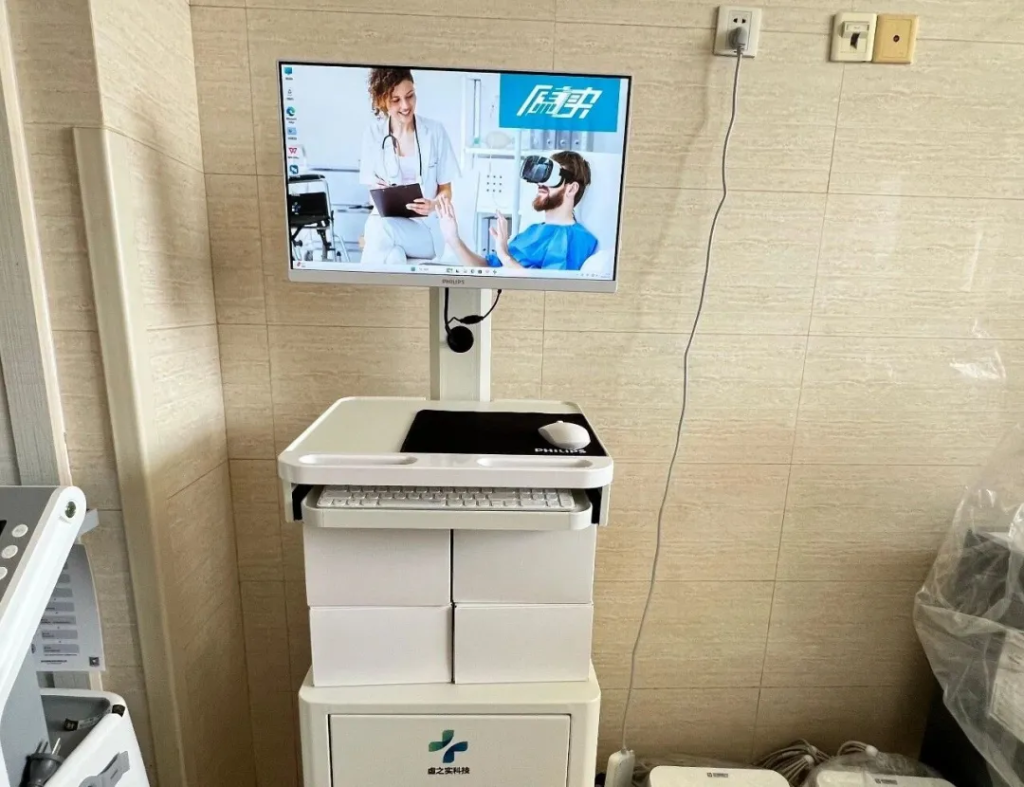
At the training level, the system conducts phased training focused on cognitive dimensions such as memory, attention, and executive function through immersive VR scenarios and gradient task designs, catering to diverse user needs. At the data level, the system collects real-time training data and generates corresponding training plans based on individual user data, dynamically adjusting plans during training according to actual usage to provide data support for personalized training. After training, the system generates assessment reports, offering references for healthcare professionals to understand training progress and adjust subsequent plans, thereby further supporting the digitalization of hospital cognitive rehabilitation services.