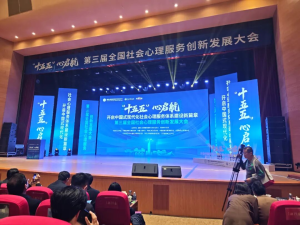
Recently, the VR cognitive rehabilitation system developed by Hangzhou NEUREAL Technology Co., Ltd. was put into use at Ningbo University Affiliated Women and Children's Hospital. This equipment introduction is part of the hospital's efforts to advance digital and intelligent construction in pediatric cognitive rehabilitation, providing tool support for the digitalization of related rehabilitation work.
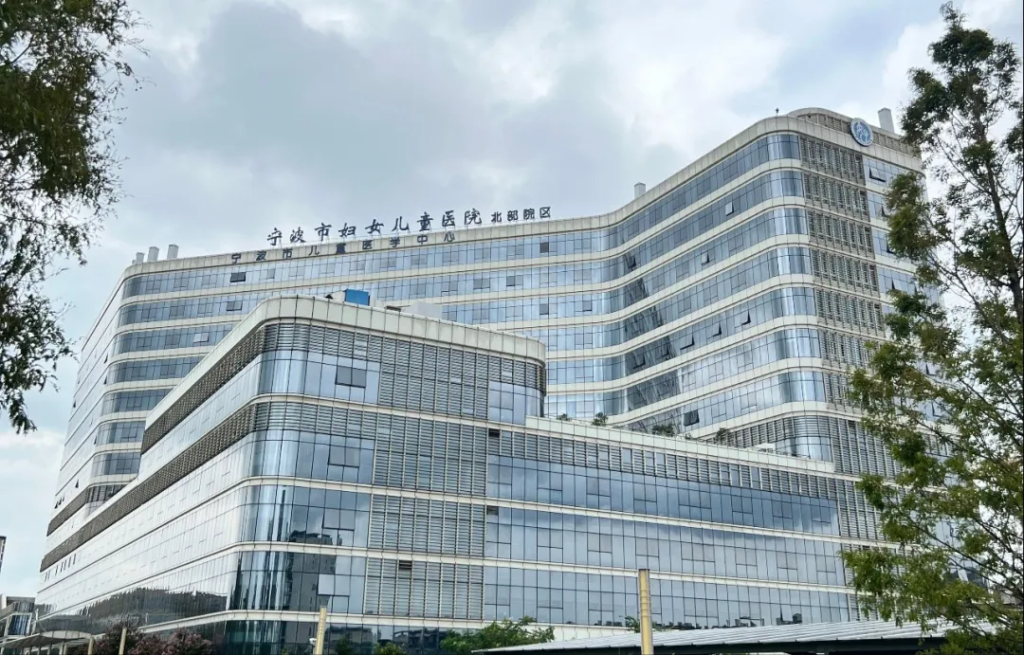
Introduction to Ningbo University Affiliated Women and Children's Hospital
Ningbo University Affiliated Women and Children's Hospital is a Grade III Class A maternal and child health care institution specializing in obstetrics/gynecology and pediatrics, integrating medical care, health care, teaching, scientific research, prevention, emergency services, rehabilitation, and health education.
The hospital's Pediatric Rehabilitation Department aims for "functional return to society," covering conditions such as cerebral palsy, developmental delay, intellectual disability, language development disorders, and Autism Spectrum Disorder (ASD). It is also a designated ASD rehabilitation institution by the Zhejiang Provincial and Municipal Disabled Persons' Federations.
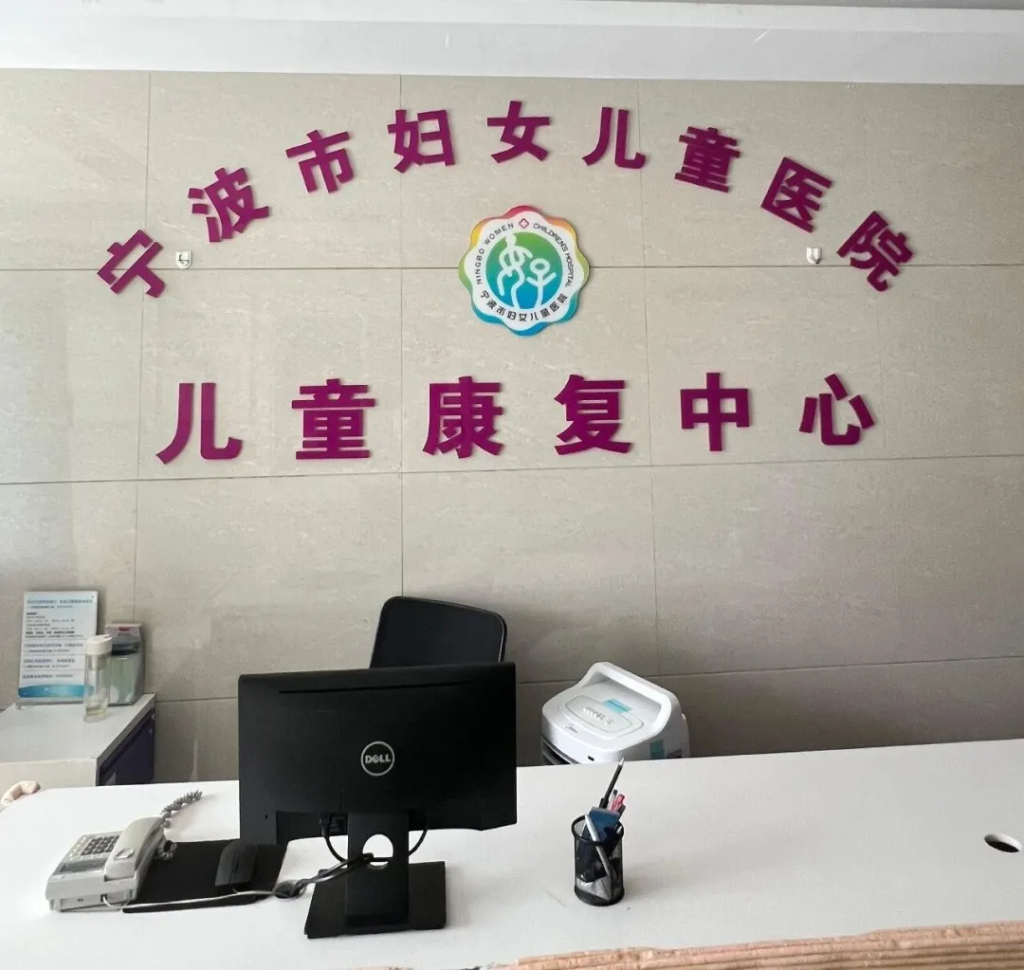
Collaborating with Neurology, Neonatal Intensive Care, and Developmental Behavioral Pediatrics, the hospital provides systematic rehabilitation for children with impairments in cognition, attention, memory, and executive function. Its Child Health Department serves as the Ningbo Center for Early Comprehensive Child Development Guidance, leading city-wide child health services and accumulating extensive clinical experience in standardized interventions for pediatric cognitive impairment.
Introduction to the VR Cognitive Rehabilitation System
The newly deployed VR cognitive rehabilitation system integrates VR, AI, and clinical neurological rehabilitation theories, covering the "assessment-training-monitoring-feedback" cognitive training workflow. It supports cognitive training for children with deficits in attention, short-term memory, spatial perception, and logical executive function caused by various brain injuries or neurodevelopmental issues.
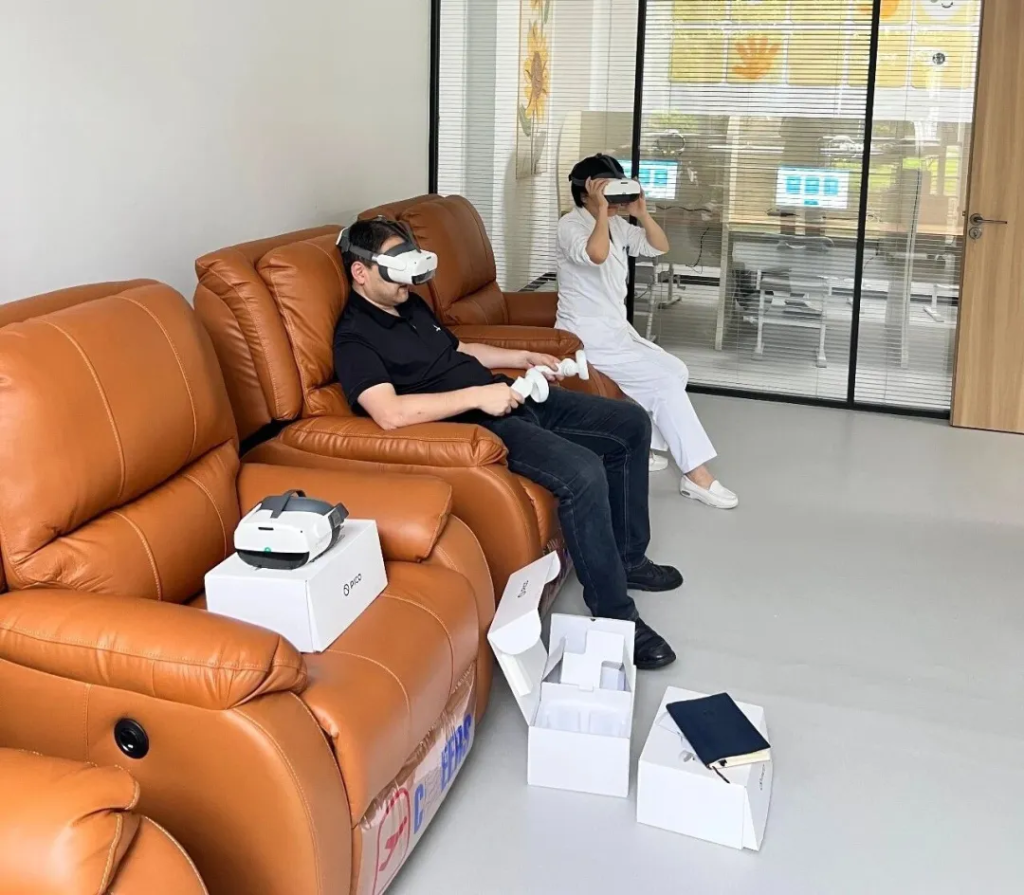
The system features over 100 standardized training templates, building immersive virtual scenarios based on children's real-life environments and behavioral habits. With graduated difficulty levels, it progresses from basic cognitive training like object recognition and short-term memory to advanced exercises such as item sorting and logical reasoning, aligning with the objective laws of cognitive development across different age groups.
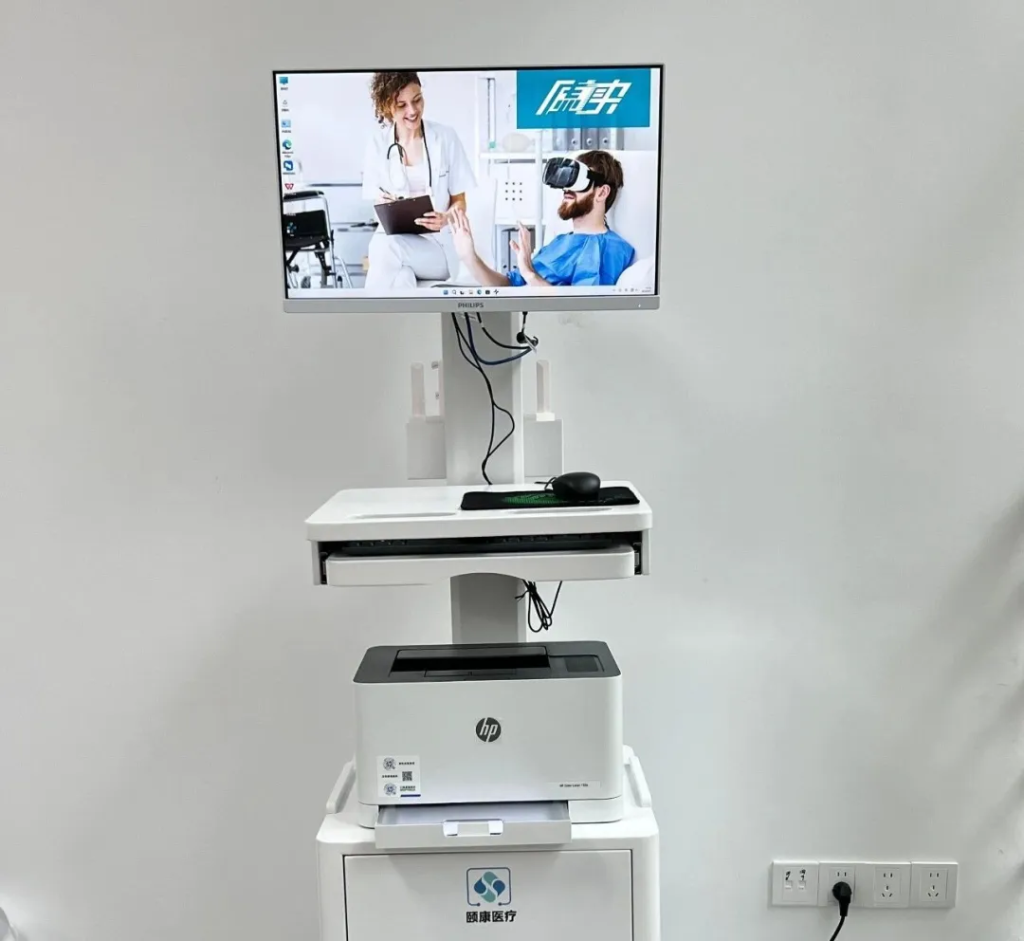
During training, the system collects real-time behavioral data and automatically generates standardized assessment reports, providing data references for rehabilitation physicians to track cognitive trends and adjust plans. For children requiring long-term monitoring, continuous data records offer objective references for reviewing staged efficacy. Additionally, the system's standardized templates help unify cognitive rehabilitation processes, assist departments in establishing replicable and standardized workflows, and promote the digital advancement of pediatric cognitive rehabilitation services.