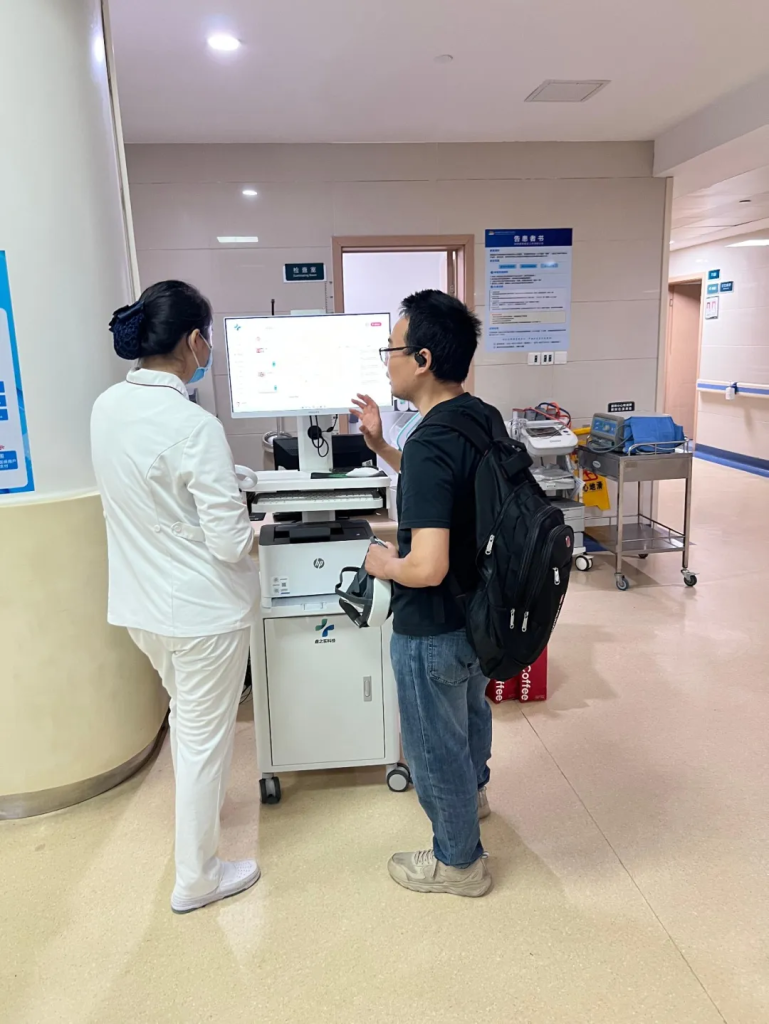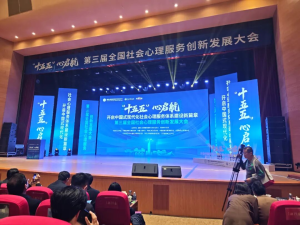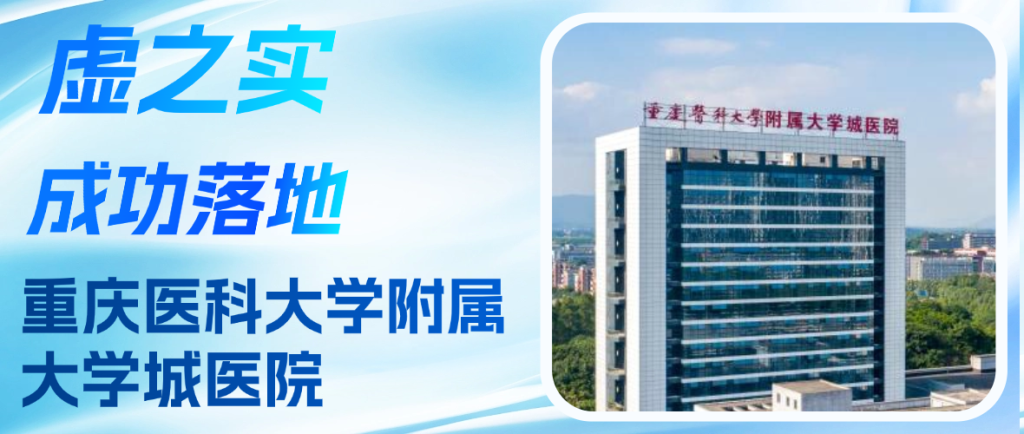
Recently, the VR cognitive rehabilitation system developed by Hangzhou NEUREAL Technology Co., Ltd. was deployed at Chongqing Medical University Affiliated University Town Hospital. This marks a substantive step in the hospital's intelligent development in cognitive rehabilitation, driving the iterative upgrade of departmental rehabilitation services toward precision and data-driven approaches, while injecting new momentum into enhancing rehabilitation medical service capabilities within the Western (Chongqing) Science City region.
Overview of Chongqing Medical University Affiliated University Town Hospital
As the Fourth Clinical Hospital of Chongqing Medical University, Chongqing Medical University Affiliated University Town Hospital is a national Grade III Class A comprehensive teaching hospital integrating medical care, education, research, prevention, and healthcare, located in the core area of the Western (Chongqing) Science City, a national strategic development highland. The hospital features distinct disciplinary strengths and robust comprehensive capabilities, with psychiatry and applied psychology designated as key municipal disciplines. It hosts two major core municipal research platforms—the Chongqing Mental Health Research Center and the Chongqing Clinical Research Center for Psychiatric and Psychological Diseases—serving as the central hub for diagnosis, treatment, rehabilitation, and research of psychiatric and psychological diseases in the region.
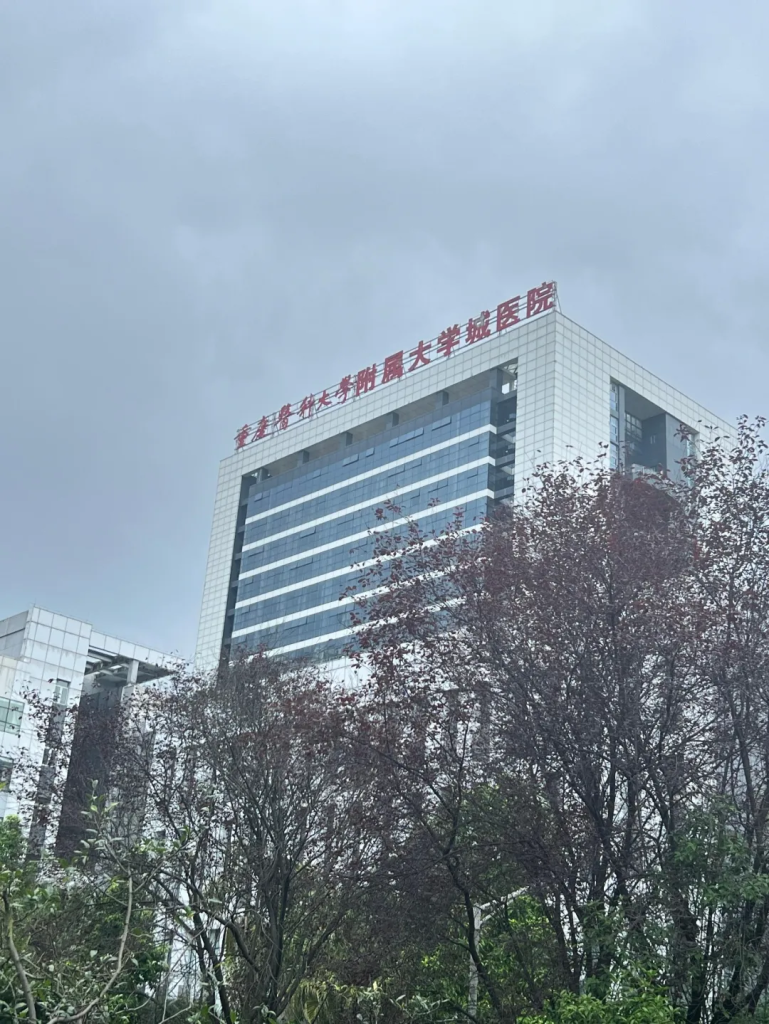
The hospital focuses on neurological rehabilitation, orthopedic rehabilitation, and visceral rehabilitation. In neurological rehabilitation, it prioritizes systematic diagnostic and therapeutic rehabilitation for motor dysfunction, speech and swallowing disorders, and cognitive impairment caused by stroke, traumatic brain injury, and Parkinson's disease, while also providing comprehensive rehabilitation for peripheral nerve injuries and sleep disorders. Adhering to a multidisciplinary collaborative model, the hospital coordinates with departments such as neurology, neurosurgery, and critical care medicine. Equipped with advanced rehabilitation devices including Schiller cardiopulmonary exercise testing systems from Switzerland and Motion Analysis motion capture and analysis systems from the US, the hospital is committed to developing personalized, full-cycle rehabilitation plans to provide more efficient and precise rehabilitation medical services for patients.
Introduction to the VR Cognitive Rehabilitation System
The newly deployed VR cognitive rehabilitation system addresses clinical pain points in cognitive rehabilitation. Developed by NEUREAL, it integrates Virtual Reality (VR) interaction, Brain-Computer Interface (BCI) technology, and AI dynamic data analysis to build a digital rehabilitation system covering the complete closed loop of "assessment–training–monitoring–feedback." The system offers multi-dimensional cognitive training in attention, memory, spatial perception, and logical execution, adapting to individualized rehabilitation needs across different age groups, etiologies, and severity levels through graded progressive training protocols. During training, the device quantitatively collects data throughout the process and automatically generates standardized assessment reports, effectively mitigating issues of subjective bias and difficulty in quantifying efficacy in traditional rehabilitation, thereby providing objective data support for adjusting clinical rehabilitation prescriptions. Compared to traditional training models, the VR cognitive rehabilitation system not only enhances the effectiveness of cognitive rehabilitation services and patient compliance but also standardizes training workflows, helping hospitals build a normalized and intelligent cognitive rehabilitation system and continuously upgrading regional smart rehabilitation medical service capabilities.