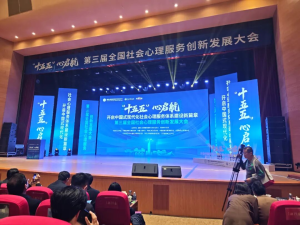
Recently, the VR cognitive rehabilitation system developed by Hangzhou NEUREAL Technology Co., Ltd. was deployed at Shanghai Children's Medical Center, affiliated with Shanghai Jiao Tong University School of Medicine. This hospital-enterprise collaboration will help the hospital establish a standardized and quantifiable closed-loop digital cognitive rehabilitation service for children, providing new tool support for digitalized and intelligent clinical practices in pediatric rehabilitation, and further enriching diverse rehabilitation intervention methods within the department.
Partner Institution: Overview of the Department of Rehabilitation Medicine at Shanghai Children's Medical Center, Affiliated to Shanghai Jiao Tong University School of Medicine
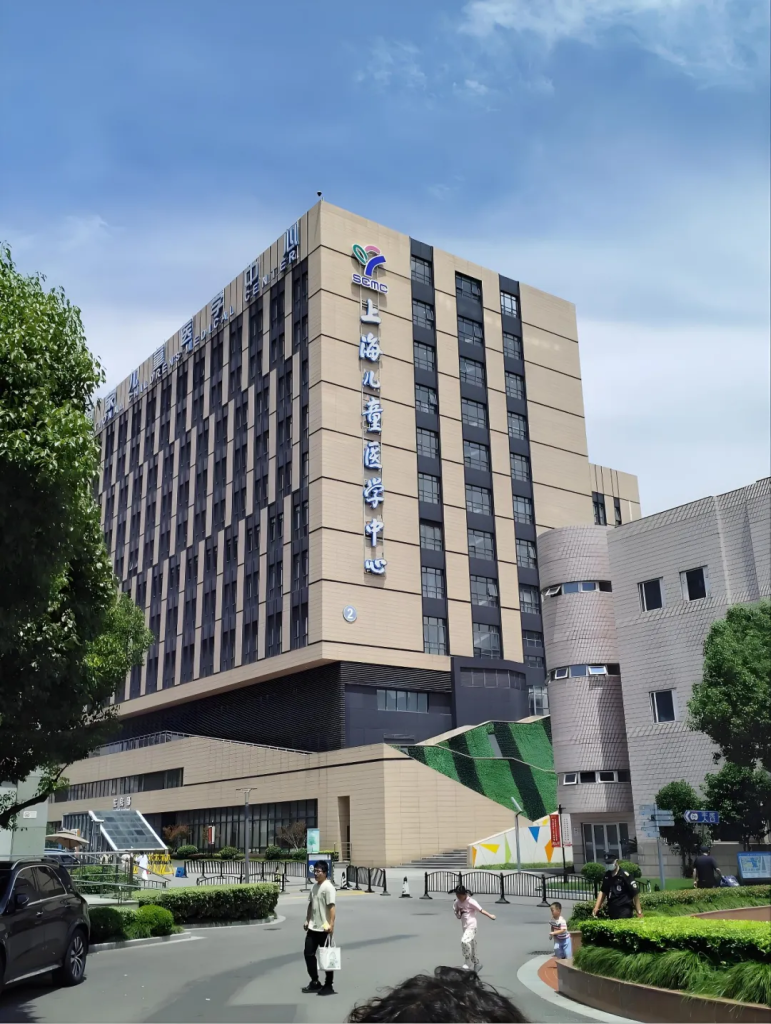
Shanghai Children's Medical Center, affiliated with Shanghai Jiao Tong University School of Medicine, is a top-tier (Grade III-A) public pediatric specialty hospital in China and a core construction unit of the National Children's Medical Center (Shanghai). Its Department of Rehabilitation Medicine integrates medical care, teaching, and research, providing systematic rehabilitation diagnosis and treatment for children and adolescents aged 0–18.
The department's core services cover five major areas: neurological rehabilitation, orthopedic rehabilitation, follow-up intervention for high-risk newborns, post-operative rehabilitation for pediatric tumors, and comprehensive functional assessment for children. Adhering to a multidisciplinary collaborative diagnosis and treatment model, the department coordinates with neurology, neurosurgery, neonatal intensive care, and developmental behavioral pediatrics to jointly formulate rehabilitation plans. It emphasizes early intervention and dynamic full-course assessment, treating a large number of children annually who suffer from impairments in cognition, attention, memory, and logical executive function.
Equipped with multiple sets of standardized developmental assessment scales and professional rehabilitation devices, the department boasts a composite clinical team comprising rehabilitation physicians, traditional Chinese and Western medicine therapists, and developmental behavior specialists. It has long conducted distinctive projects such as ultra-early screening for high-risk infants and long-term rehabilitation follow-up management. The department has accumulated rich clinical experience in the standardized intervention of pediatric cognitive impairment and continues to explore innovative paths combining digital technology with traditional rehabilitation.
Technical Design and Clinical Adaptation Features of the VR Cognitive Rehabilitation System
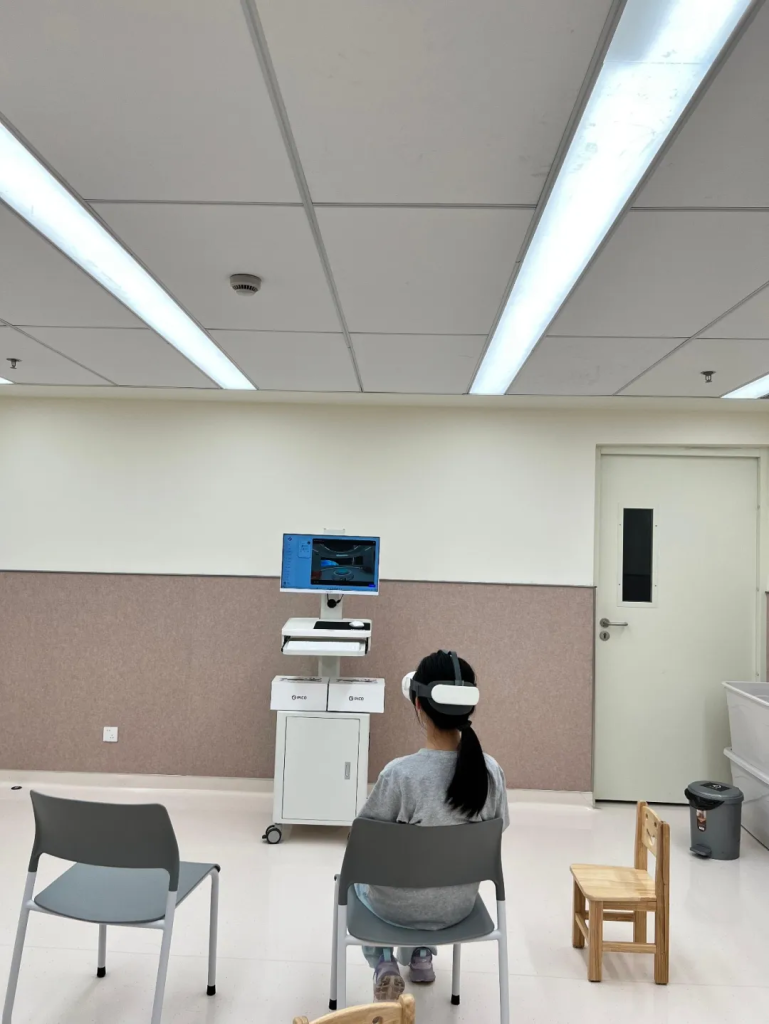
The deployed VR cognitive rehabilitation system integrates technologies such as Virtual Reality (VR) interaction and AI dynamic data analysis to build a complete cognitive rehabilitation workflow covering assessment, graded training, real-time monitoring, and data feedback. It serves as an auxiliary tool for traditional rehabilitation plans, suitable for intervention training for children with deficits in attention, short-term memory, spatial perception, and logical executive function caused by various brain injuries or neurodevelopmental issues.
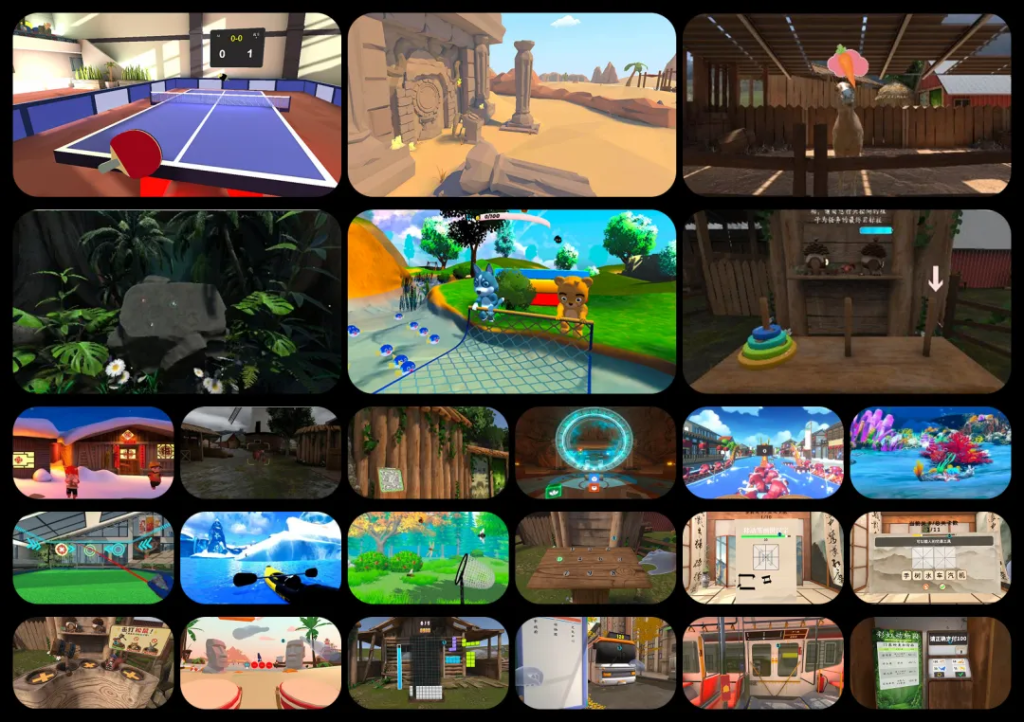
The system includes over one hundred standardized rehabilitation training modules, all designed around immersive virtual interactive environments based on children's daily learning and life scenarios. Training tasks feature gradient layering, progressing from basic perceptual exercises to higher-level logic and scenario-based executive tasks, aligning with the objective laws of cognitive development across different age groups. Throughout the training, the device synchronously collects operational behavioral data from patients, generating objectively quantified training reports via AI algorithms. This allows rehabilitation physicians to intuitively grasp trends in functional changes and provides data references for adjusting individualized rehabilitation prescriptions, addressing the shortcomings of traditional rehabilitation where subjective assessments are overly dominant and training processes are difficult to fully record.
Compared to traditional static rehabilitation training, the immersive VR interaction format reduces the therapeutic feel of rehabilitation, lowers children's resistance through gamified interaction, and extends effective training duration. Meanwhile, standardized modules unify the training process, facilitating the formation of replicable and standardized digital cognitive rehabilitation workflows within the department.