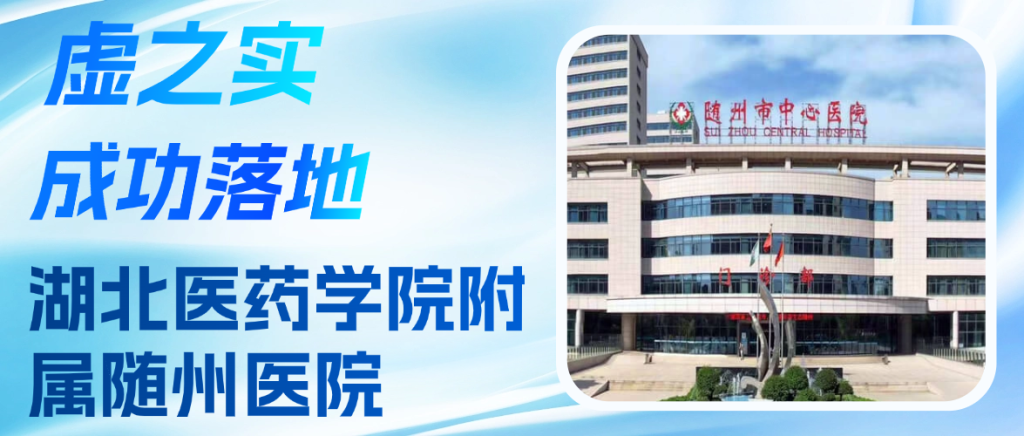
Recently, Hangzhou NEUREAL's VR Cognitive Rehabilitation System was officially deployed at Suizhou Hospital Affiliated to Hubei University of Medicine. The two parties are jointly creating new digital rehabilitation scenarios and building a digitized, quantifiable, and personalized smart rehabilitation closed-loop. This marks a key step by the hospital in digital diagnosis and treatment for brain disorders and brings a new rehabilitation experience to patients with brain disorders in northern Hubei and surrounding areas.
About Suizhou Hospital Affiliated to Hubei University of Medicine
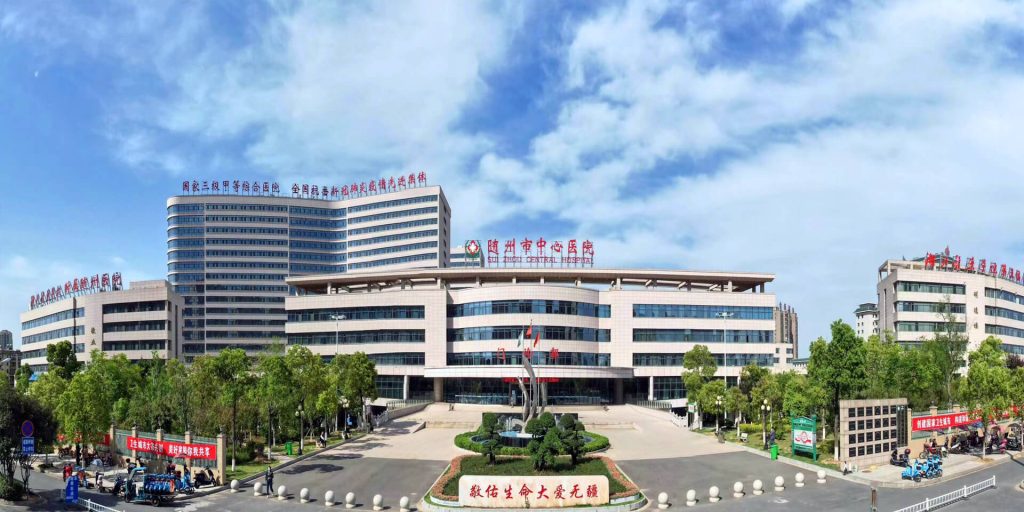
Founded in 1904, Suizhou Hospital Affiliated to Hubei University of Medicine has grown over more than a century into a regional medical center integrating healthcare, teaching, research, emergency care, prevention, and health preservation. It also serves as a teaching hospital for Tongji Medical College of Huazhong University of Science and Technology, Wuhan University School of Medicine, and Hubei University of Chinese Medicine.
As the leading comprehensive hospital in Suizhou and the only Class III Grade A general Western medicine hospital in the city, its Department of Neurology and Department of Rehabilitation Medicine are both key clinical specialties in Hubei Province. The hospital has accumulated extensive clinical experience in the comprehensive diagnosis and treatment of cognitive impairment caused by stroke, Parkinson's disease, Alzheimer's disease, and traumatic brain injury.
About the VR Cognitive Rehabilitation System
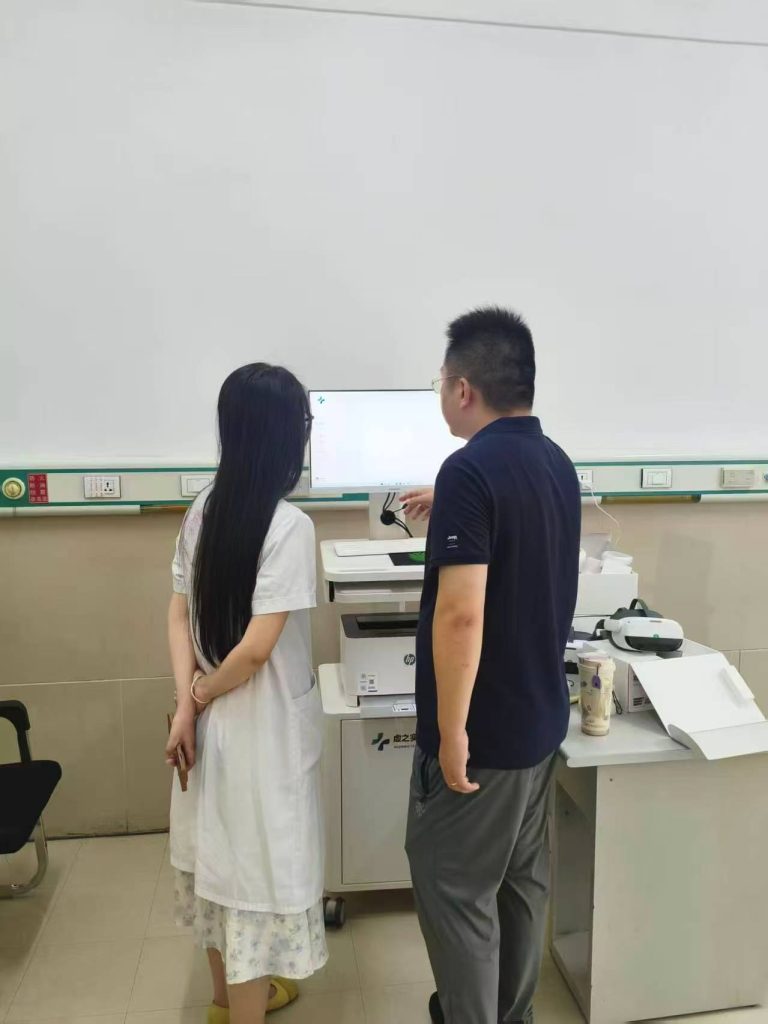
The newly introduced VR Cognitive Rehabilitation System is developed by NEUREAL based on three core technologies: VR immersive interaction, Brain-Computer Interface (BCI), and AI-powered intelligent data analysis. This system provides a full-process cognitive rehabilitation solution covering "assessment-training-monitoring-feedback." It offers precise, individualized rehabilitation services for attention, memory, and executive function deficits caused by conditions such as Alzheimer's disease, depression with cognitive impairment, and post-stroke cognitive impairment. Currently deployed in multiple Class III Grade A hospitals across China, the system has gained widespread industry recognition for its rich training modules and effective intervention outcomes.