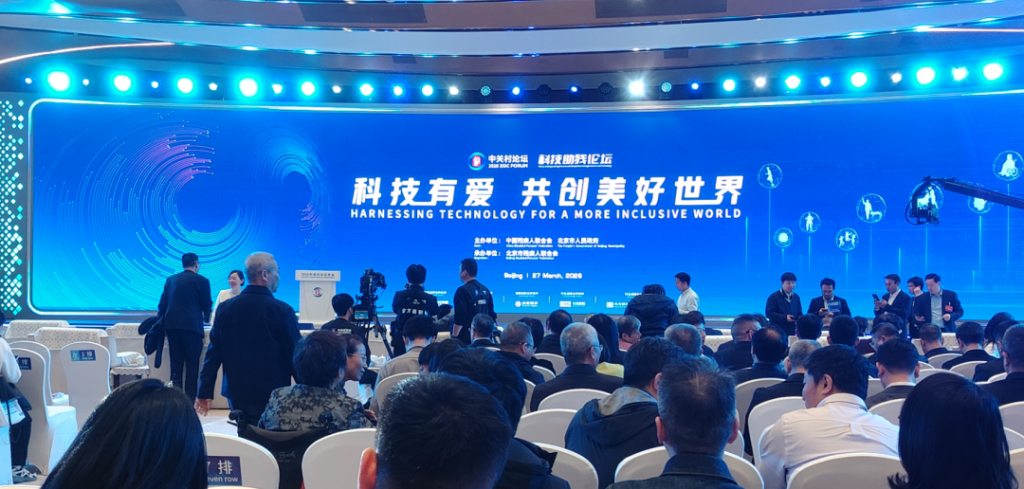
On March 27, 2026, the 2026 Zhongguancun Forum Annual Meeting's Technology for Accessibility Forum was grandly held in Beijing under the theme "Technology with Love, Creating a Better World Together." This forum marks the second time technology for accessibility has been formally included in the national-level Zhongguancun Forum annual meeting system. Hosted by the China Disabled Persons' Federation and the Beijing Municipal Government, and organized by the Beijing Disabled Persons' Federation, it is the highest-level platform for government-industry-academia-research-application exchange in China's technology for accessibility sector.
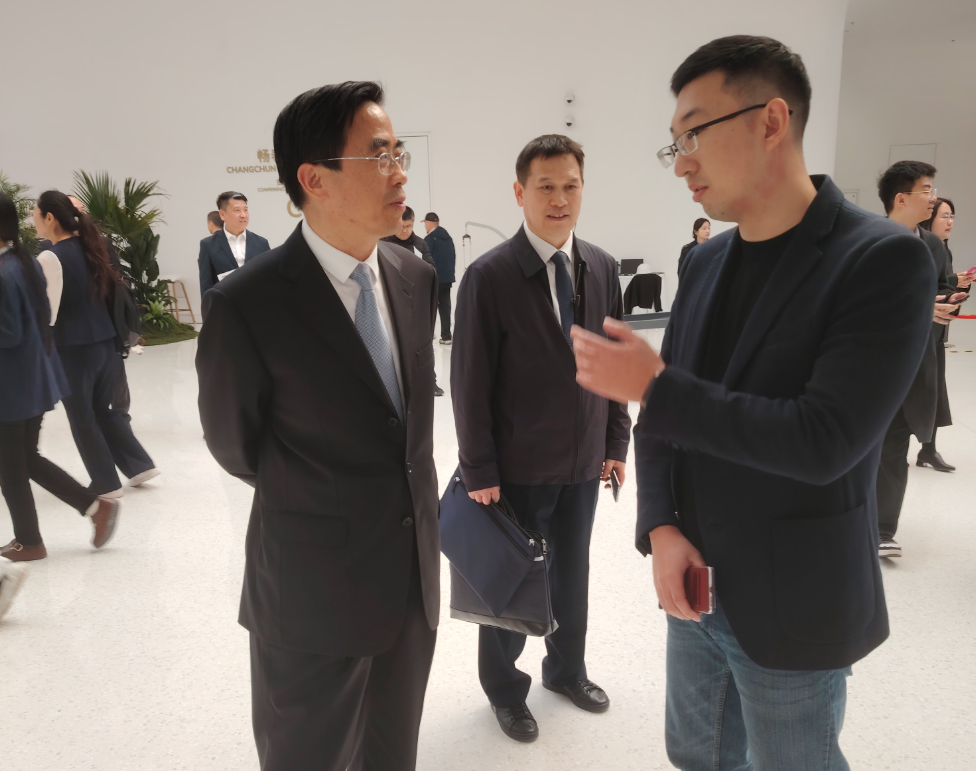
Mr. Kang Cheng, Founder and CEO of Hangzhou NEUREAL Technology Co., Ltd., attended this prestigious event at the invitation of the China Disabled Persons' Federation, discussing new paths for technology-driven disability services with top global scientists and industry-leading entrepreneurs. During the conference, Mr. Kang had an in-depth exchange with Mr. Cheng Kai, Chairman of the China Disabled Persons' Federation, detailing the company's technological achievements and practical implementations in disability support, and accepted an exclusive interview with the Haidian District Media Convergence Center of Beijing.
Fifteen Major Scenarios Drive Implementation of Accessibility Achievements
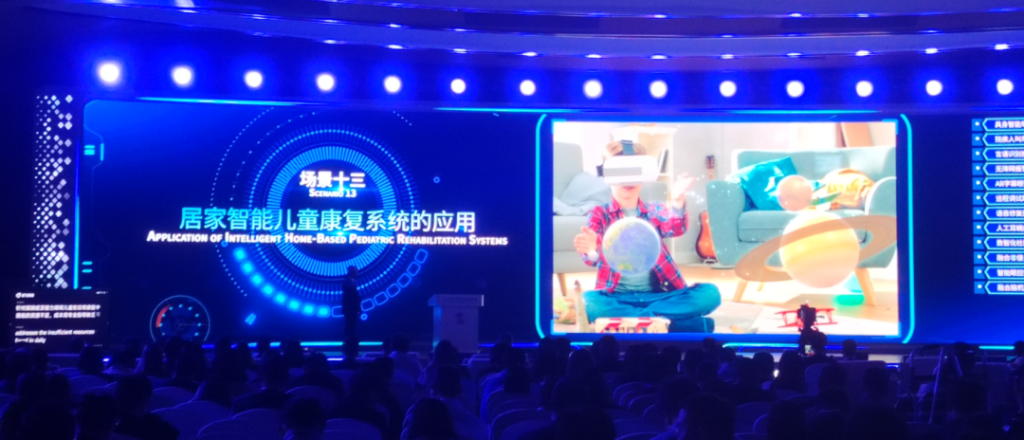
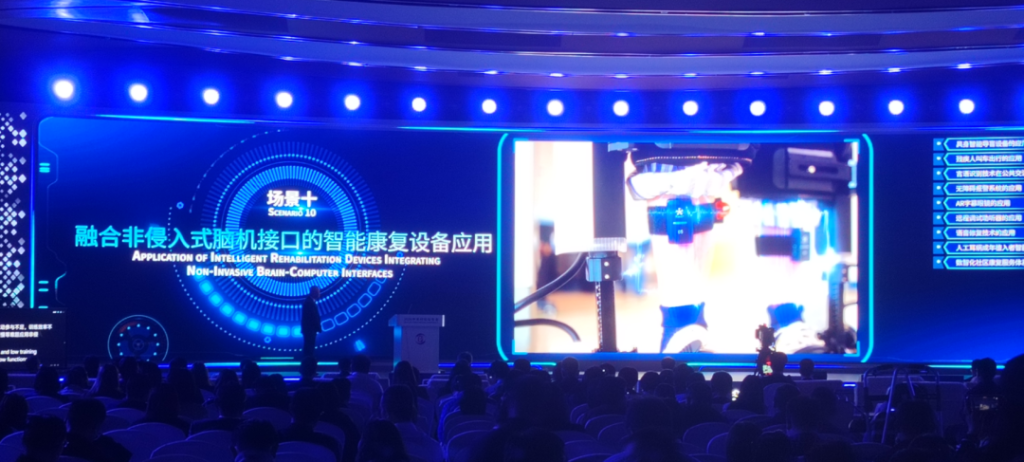
Focusing on cutting-edge technological breakthroughs, industrial innovation integration, and scenario-based implementation in accessibility services, the forum released the first list of 15 technology-for-accessibility application scenarios. These comprehensively cover core needs across mobility, rehabilitation, employment, social interaction, and home living for persons with disabilities, setting the direction for R&D and result transformation to build better lives for China's 85 million persons with disabilities. Notably, five of these fifteen core scenarios highly align with NEUREAL's decade-long expertise in Brain-Computer Interface (BCI) + VR digital healthcare product systems. Scenario 13, "Application of Home-Based Intelligent Pediatric Rehabilitation Systems," precisely matches NEUREAL's core technical achievements and mature deployed products, serving as a key focus for leveraging technology to empower accessibility scenarios.
Hangzhou NEUREAL Technology Co., Ltd.
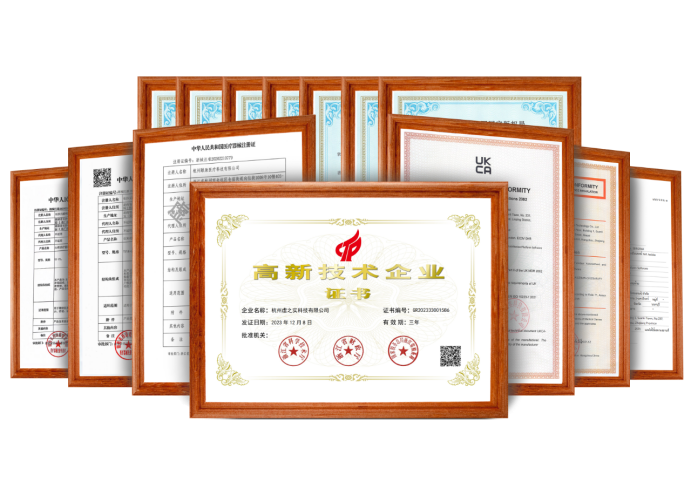
As a leading enterprise in China's BCI+AI+VR digital healthcare sector and a National-Level Specialized, Refined, Distinctive, and Innovative "Little Giant" enterprise, NEUREAL has consistently focused on brain state perception technology since its inception. By deeply integrating artificial intelligence, brain-computer interfaces, and virtual reality, the company has built a domestically leading closed-loop digital therapeutics system, achieving multiple industry breakthroughs in functional rehabilitation and life capability reconstruction for persons with disabilities. The company developed China's first VR therapeutic product for cognitive impairment, which obtained the nation's first Class III medical device registration certificate in this field. It provides full-cycle, precise digital healthcare solutions for rehabilitation needs related to post-stroke cognitive and motor impairments, pediatric neurodevelopmental disorders, and psychiatric conditions among persons with disabilities.
BCI Therapy Protecting Special Childhoods
The high alignment with the fifteen major technology-for-accessibility application scenarios serves as authoritative validation of the company's technical strength and industrial implementation capabilities. Specifically, Scenario 13, "Application of Home-Based Intelligent Pediatric Rehabilitation Systems," corresponds precisely to NEUREAL's full-cycle rehabilitation system designed for children with special needs. Leveraging non-invasive brain-computer interface technology and VR interactive training systems, this framework enables home-based, personalized, and gamified rehabilitation training for children with Autism Spectrum Disorder (ASD), Attention Deficit Hyperactivity Disorder (ADHD), and learning disabilities. It breaks traditional temporal and spatial constraints, truly extending rehabilitation services from hospitals to homes and communities. Additionally, four other scenarios—"Application of Intelligent Rehabilitation Devices Integrating Non-Invasive BCIs," "Construction of Digitally Intelligent Community Rehabilitation Service Systems," "Home-Based Digital Rehabilitation for Cognitive Impairment," and "AI Digital Intervention for Psychiatric Disorders"—are deeply aligned with NEUREAL's deployed product matrix and technical roadmap, providing clear directions for future expansion and deepening of accessibility scenarios.
Technology for Accessibility, Acting with Goodwill
In an interview with Haidian Media, Mr. Kang stated that the holding of the Zhongguancun Forum Technology for Accessibility Forum and the release of the fifteen major application scenarios have anchored the core direction for the company's deep engagement in accessibility services. In the future, the company will remain committed to its original intention of "technology for good," closely following national development plans for technology-driven accessibility services. It will continue to intensify efforts in tackling core BCI technologies, refine products and solutions adapted to grassroots accessibility scenarios, promote the extension of advanced medical technology achievements to inclusive settings, use technological innovation to build bridges to a better life for persons with disabilities, and continuously contribute corporate strength to the development of China's technology-for-accessibility sector.